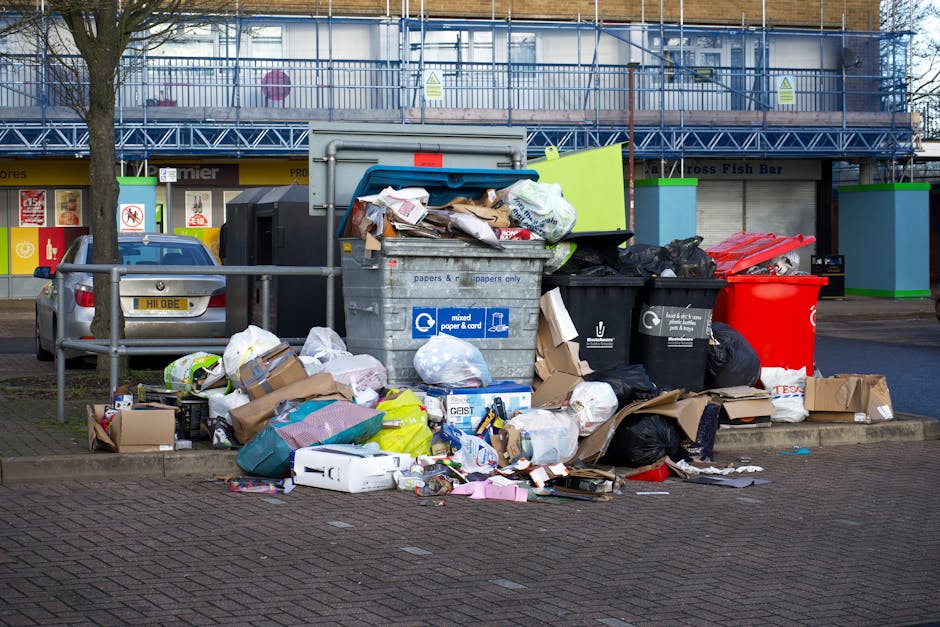
Bloomsbury WC1 rubbish disposal services Central London: a practical guide for homes, flats, offices and busy landlords
If you live or work in Bloomsbury, you already know the area has a particular rhythm: older buildings, tight stairwells, on-street loading quirks, and the constant pressure of keeping spaces clear without causing disruption. That is exactly where Bloomsbury WC1 rubbish disposal services Central London become useful. Whether you're dealing with a one-off flat clear-out, office waste, broken furniture, builder's debris, or just the sort of rubbish that quietly grows in a hallway until it becomes impossible to ignore, the right disposal service can save time, hassle, and a fair bit of stress.
This guide breaks down how rubbish disposal in Bloomsbury WC1 works, who it helps, what to expect, and how to choose a sensible approach. You'll also find a comparison of common options, a practical checklist, and a real-world example that reflects the sort of situations people in WC1 actually face.
Why Bloomsbury WC1 rubbish disposal services Central London matters
Bloomsbury is not a place where waste problems can sit around for long. Space is limited, access can be awkward, and the local mix of residential flats, student accommodation, offices, and managed buildings means rubbish builds up quickly and becomes noticeable even quicker. A sofa left in a corridor, a stack of boxes near a bin store, or a bagged clearance job waiting in a narrow entrance can create real friction with neighbours, building managers, and delivery schedules.
That is the practical reason rubbish disposal matters here. In a dense part of Central London, good waste handling is not just about being tidy. It helps keep communal areas usable, avoids complaints, reduces fire and trip risks, and prevents rubbish from becoming a recurring problem. In our experience, the jobs that seem small at first are often the ones that turn into the biggest nuisance when they are left too long.
There is also the simple matter of time. If you are a landlord with a tenant turnover, a small business trying to reset an office, or a resident trying to reclaim a bedroom or spare room, you do not want to spend half a Saturday dragging items to the kerb. You want the space cleared, responsibly and without drama. Let's face it, most people would rather get on with their day.
Bloomsbury WC1 rubbish disposal services Central London also matter because the area connects naturally to nearby districts such as Holborn, Strand, and St Pancras, where the same access and scheduling pressures often show up. For anyone managing properties across Central London, consistency matters just as much as speed.
How Bloomsbury WC1 rubbish disposal services Central London works
Most rubbish disposal jobs in Bloomsbury follow a straightforward pattern, though the details matter. A resident, business owner, or agent identifies what needs removing, books a collection or clearance slot, and prepares the waste as far as possible. The team then arrives, assesses access, and removes the items for sorting, transport, and disposal or recycling.
In a practical sense, the process tends to revolve around three things: what needs to go, where it is located, and how easy it is to move. A single bulky item on the ground floor is very different from a mixed clearance job on the fourth floor of a period conversion. You will notice that access often shapes the final approach more than the waste type itself.
Many people searching for Bloomsbury WC1 rubbish disposal services Central London are really looking for one of the following:
- household rubbish removal
- flat clearance after a move
- office clearance or business waste removal
- furniture disposal, including heavy items
- builder's waste clearance after small refurbishments
- garage, loft, or storage space clear-outs
It helps to think of the service less as "taking rubbish away" and more as managed clearance. That distinction matters because a proper service considers loading, lifting, sorting, and disposal routes, rather than simply shifting bags around. If you need more general support, the site's rubbish removal and waste clearance pages show how these services fit into wider waste handling needs across Central London.
A good provider will also ask sensible questions before arrival. Is there parking? Is there a lift? Are any items fragile, wet, sharp, or unusually heavy? Does the job involve mixed waste, reusable furniture, or just bagged rubbish? Those little details can change the whole job. A lot.
Key benefits and practical advantages
The main benefit is obvious: the rubbish gets removed. But the real value is in everything that comes with that removal.
1. Faster space recovery
When rubbish is removed properly, rooms become usable again. That spare room becomes an office. The hallway stops feeling like a storage cupboard. The back-of-house area in a business stops looking tired and cluttered.
2. Less physical strain
Heavy lifting in Bloomsbury is rarely as simple as it looks. Narrow staircases, awkward door frames, and old buildings can make a small job physically demanding. Professional disposal reduces the risk of injury and damage.
3. Cleaner communal environments
In flats and managed buildings, rubbish can affect everyone, not just the person creating it. Timely disposal keeps shared spaces more pleasant, which sounds basic, but it genuinely makes day-to-day life easier.
4. Better handling of mixed waste
Not all waste should be treated the same way. Wood, metals, textiles, electrical items, cardboard, and general junk may all need different handling. A proper clearance approach helps separate what can be reused or recycled from what must be disposed of.
5. Less risk of doing it wrong
Fly-tipping, blocked exits, and incorrect disposal can create unnecessary problems. A managed service reduces that risk and gives you a cleaner finish.
There is also a subtle but important benefit: peace of mind. It is strangely calming to know the pile is gone. Not glamorous, no. Still useful.
Who this is for and when it makes sense
Bloomsbury WC1 rubbish disposal services Central London are useful for a wide range of people, but especially for those in fast-changing or space-limited settings.
Residents and tenants
If you are moving out, replacing furniture, clearing old clothes, or finally tackling the "I'll deal with it later" pile, disposal support can make the difference between a stressful weekend and a smooth reset. Flat dwellers often discover that what looks like a small amount of waste becomes a logistics problem once stairs and parking enter the picture.
Landlords and letting agents
End-of-tenancy clearances are a classic use case. You may need to clear leftover items quickly between occupancies, especially if a tenant has moved on in a hurry or left bulky furniture behind. Services like flat clearance and home clearance are often the best fit for these situations.
Offices and small businesses
Offices in and around WC1 often need periodic decluttering: desk replacements, old shelving, broken monitors, archive removal, or a full suite clear-out. If that sounds familiar, office clearance and business waste support can be a cleaner route than trying to piece together disposal yourself.
Builders, decorators and trades
Even small refurbishments produce awkward waste: offcuts, packaging, broken tiles, plasterboard, timber, and the odd surprise item that nobody planned for. In that case, builders waste is the relevant route.
People clearing larger or mixed spaces
Garages, storage rooms, spare rooms, and cluttered basements all have one thing in common: they collect more than you remember. Over time, the mix becomes harder to sort. If the job feels too big to tackle in an afternoon, that is usually the sign to call in support.
And yes, if you are standing in a room full of boxes wondering how on earth it got this bad, you are not alone. Happens all the time.
Step-by-step guidance
If you want the smoothest result from Bloomsbury WC1 rubbish disposal services Central London, it helps to think in steps rather than scrambling at the last minute.
- Identify exactly what needs removing. Separate general rubbish from furniture, electrical items, building waste, and anything reusable.
- Check access before booking. Note floor level, lift access, parking restrictions, loading access, and whether items need disassembly.
- Group items by type. This makes quoting and collection easier, and it reduces the chance of delays on the day.
- Keep dangerous items separate. Sharp, wet, or potentially hazardous materials need extra care. Do not leave them mixed into ordinary rubbish.
- Choose the right service type. For example, furniture disposal is not the same as office clearance, and a single-sofa job is different again from a full household clearance.
- Clear a route to the items. The cleaner the path, the quicker the removal. It sounds obvious, but the little things help.
- Confirm timing and arrival instructions. In Bloomsbury, a few minutes' difference can matter if parking or building access is tight.
- After removal, check the space and any remaining items. Good clearances should leave no confusion about what has been taken and what remains.
If you are dealing with a specific bulky item, the dedicated pages for furniture disposal and sofa removal are worth considering. They are especially useful if the item is too large for a standard lift or too awkward for a quick DIY lift by two people with more enthusiasm than technique.
Expert tips for better results
Here are the things that make clearance jobs easier in real life, not just on paper.
Tip 1: Don't wait until the pile becomes a route blocker.
The earlier you deal with waste, the easier it is to handle. Once items start interfering with everyday movement, the job becomes slower and more stressful.
Tip 2: Measure large items before booking.
A sofa that looks "normal size" can still turn into a problem in a Bloomsbury terrace or apartment building. Measure doors, stair turns, and lifts if you can.
Tip 3: Separate sentimental items before the crew arrives.
This sounds obvious, but people often forget. Mixed clearances move fast. Keep personal papers, photographs, and valuables out of the removal area.
Tip 4: Be honest about the volume.
If you think it is one van load, say so. If it might be more, say that too. Underestimating waste is a classic headache, and not a fun one.
Tip 5: Use local area knowledge.
Bloomsbury is not identical to Kings Cross, Holborn, or Central London more broadly. Access patterns vary, and local experience can save time on the day.
Tip 6: Keep recycling and reuse in mind.
Not everything needs to be treated as rubbish. Some furniture, metal items, and office materials may have a better second life elsewhere. That is better for the environment and often cleaner for your space too.
Expert summary: The easiest Bloomsbury clearance jobs are the ones that are slightly over-prepared. A few measurements, a bit of sorting, and clear access usually save more time than you'd expect. Small effort now, less chaos later.
Common mistakes to avoid
People rarely get rubbish disposal wrong in dramatic ways. More often, it is the small oversights that create delays.
- Leaving mixed waste unsorted: If general rubbish, furniture, and builder's materials are all piled together, the job can take longer than necessary.
- Forgetting access issues: A collection crew may be efficient, but they still need a practical route to the items.
- Assuming all services handle the same waste: They don't. A specialist service for office clearance is not always the right choice for garden waste or household clutter.
- Ignoring fragile building features: Bloomsbury properties can be old, with narrow stairs and delicate walls. Rushing heavy items through those spaces is asking for trouble.
- Delaying until the rubbish becomes a shared issue: In flats and managed buildings, one person's clutter can quickly become everyone's problem.
- Not checking what should stay out of normal disposal: Some items need separate handling, especially if they are electrical or potentially hazardous.
The most common mistake, truth be told, is trying to do everything in one go without a plan. That is usually when the job suddenly feels twice as big.
Tools, resources and recommendations
You do not need specialist equipment for every clearance, but a few practical tools can make life easier before the team arrives.
- Sturdy boxes or bags: Useful for collecting mixed small items, loose rubbish, and general clutter.
- Labels or markers: Handy when separating keep, donate, recycle, and remove piles.
- Basic measuring tape: Essential for checking whether bulky furniture will fit through doors or lifts.
- Protective gloves: A sensible idea if you are handling sharp or dusty items before disposal.
- Phone flashlight: Surprisingly useful in lofts, under stairs, and storage corners.
For local residents who want a broader overview of service types, pages like rubbish clearance, waste collection, and waste removal can help clarify what fits a particular job. If you are clearing a room filled with a mix of old furniture and everyday junk, that distinction matters more than people often realise.
For larger property projects, it may also help to look at house clearance or garage clearance. Different room, different mess, different best fit. Simple as that.
Law, compliance, standards, or best practice
Waste disposal in the UK is not something to guess your way through. While this article is not legal advice, there are a few sensible best-practice points worth keeping in mind.
Use responsible disposal methods. Waste should go to properly managed facilities or approved collection routes. Fly-tipping or leaving rubbish in the wrong place creates obvious problems for everyone, and in London the consequences can be especially unpleasant for residents and building managers.
Be careful with commercial waste. If you run a business in Bloomsbury, office and trade waste should be handled separately from household rubbish. Keep records if your operations require them, and work with a service that understands business waste expectations.
Handle electrical and bulky items properly. Old monitors, printers, appliances, and other electricals should not just be dumped with ordinary rubbish. The same goes for items that are damaged, leaking, or contaminated.
Respect building rules. Many WC1 buildings have internal policies around booking lifts, loading access, timings, and communal area use. A good clearance plan should work with those rules, not against them.
Best practice is usually boring, but effective. Sort waste in advance where possible, communicate access issues clearly, and keep the job tidy from start to finish. It is not flashy. It just works.
If you want a service that aligns with broader Central London expectations, the about us page is a sensible place to understand the company's general approach, while the terms and conditions and privacy policy pages help set expectations around service use and information handling.
Options, methods, or comparison table
Not every clearance needs the same approach. Here is a simple comparison to help you choose the right method for Bloomsbury WC1 rubbish disposal services Central London.
| Option | Best for | Pros | Watch out for |
|---|---|---|---|
| DIY disposal | Very small, light loads | Can be cheap if you already have transport and time | Parking, lifting, sorting, and repeated trips can turn it into a slog |
| Standard rubbish collection | Bagged waste and straightforward clear-outs | Quick and simple for routine jobs | May not suit bulky furniture or mixed waste |
| Rubbish removal service | General household or mixed rubbish | Convenient, less labour for you, fast turnaround | Access and item type affect the final process |
| Flat or home clearance | End-of-tenancy, moving, or major decluttering | Good for larger volumes and mixed contents | Needs clearer planning and item sorting |
| Office or business waste service | Commercial premises, desks, stock, archive and equipment clear-outs | Better suited to business needs and timing | Commercial waste often needs more careful coordination |
| Furniture or sofa disposal | Single bulky items or small furniture sets | Ideal for large, awkward pieces | Stairs, lift size, and disassembly can matter |
| Builders waste clearance | Refurbishment debris and renovation leftovers | Good for heavier, dirtier, mixed material loads | Must be treated separately from household rubbish |
For many people, the best answer is not one method forever, but the right method for this particular job. A single chair and a full office strip-out are not the same thing, and pretending they are is where trouble starts.
Case study or real-world example
Picture a small Bloomsbury flat in late autumn. The tenant has moved out, the landlord wants the property turned around quickly, and the place has a mixture of leftovers: a worn armchair, three bags of household rubbish, a broken bedside table, a half-empty storage box, and an old lamp that no longer works. Nothing huge on its own. Together, though, it is enough to delay cleaning and photography for the next let.
The practical answer is to sort the obvious keep items first, then remove the remaining contents in one clear sweep. In this kind of job, a flat clearance approach often works better than trying to handle each item separately. If the armchair is too bulky for the hallway or if the lamp and furniture need careful handling, a focused furniture disposal step makes the job easier still.
What made the difference in this example was not speed alone. It was preparation. The route was kept clear, the items were grouped, and the collection could happen without much back-and-forth. By the end of the afternoon, the flat looked ready for cleaning rather than half-finished. Small thing, maybe. But in property turnover, small things are everything.
Practical checklist
Use this before booking Bloomsbury WC1 rubbish disposal services Central London:
- Identify the items you want removed
- Separate rubbish, furniture, and special waste where possible
- Measure bulky items and note access constraints
- Check whether lifts, stairs, or parking will affect collection
- Clear walkways and make the load easy to reach
- Remove valuables, documents, and personal items first
- Flag anything sharp, wet, fragile, or unusually heavy
- Decide whether you need rubbish removal, flat clearance, office clearance, or builders waste support
- Confirm the timing that works best for your building or business
- Make sure you know what should remain on site after collection
If you can tick those off, the job is usually far smoother. And yes, ticking boxes is boring. Still worth it.
Get a free quote today and see how much you can save.
Conclusion
Bloomsbury WC1 rubbish disposal services Central London are really about making city life easier in a place where space is precious and disruption is expensive. Whether you are clearing a flat, resetting an office, removing a sofa, or dealing with a mixed load of unwanted items, the best results come from choosing the right service and preparing the job properly.
If you keep access in mind, sort your waste sensibly, and match the clearance method to the task, the whole process becomes much more straightforward. That is the nice bit about good rubbish disposal: once it is done well, you barely think about it again. The room feels bigger, the building feels calmer, and you can finally move on.
Sometimes that is all people really need. A clean start, without the clutter hanging around.
Frequently Asked Questions
What do Bloomsbury WC1 rubbish disposal services Central London usually include?
They usually cover the removal of general rubbish, bulky items, mixed waste, furniture, and in some cases office or builder's waste. The exact service depends on what needs clearing and how accessible the property is.
How quickly can rubbish be removed in Bloomsbury?
That depends on scheduling, access, and the size of the job. Smaller collections can often be arranged more quickly than larger clearances, especially if the items are easy to reach and already grouped together.
Is flat clearance the same as rubbish removal?
Not quite. Rubbish removal is usually best for specific loads of waste, while flat clearance covers larger or more mixed contents from a whole property or a significant part of it.
Can I use the service for one sofa or chair?
Yes, single-item furniture jobs are common. If the item is bulky, awkward, or difficult to carry down stairs, a dedicated furniture or sofa removal service is often the best fit.
What should I do before the collection team arrives?
Clear a path to the items, separate anything you want to keep, and note any access issues such as stairs, lifts, or parking restrictions. A few minutes of prep can save a lot of faff later.
Do you need to sort waste before collection?
Some sorting is helpful, especially if you have a mix of furniture, general rubbish, and special items. It helps the team work faster and makes the process more efficient.
What happens to the waste after it is collected?
In a proper clearance process, waste should be sorted and taken to the appropriate disposal or recycling route. Reusable items may be separated where possible, depending on their condition and the service used.
Is rubbish disposal in Bloomsbury suitable for businesses?
Yes, especially for offices, retail units, and managed premises. Business waste and office clearance are common in Central London, where space and turnaround times tend to be tight.
What if my building has difficult access?
That is very common in Bloomsbury. Narrow staircases, small lifts, and restricted loading spaces are all part of the local picture. Just make sure these details are shared before booking so the job can be planned properly.
Can builders waste be removed from a Bloomsbury property?
Yes, as long as the waste is suitable for that type of clearance. Small renovation jobs, refurbishment debris, and mixed construction leftovers are often handled through a builders waste service.
How do I know which service I need?
Think about the size of the load, whether it is domestic or commercial, and whether you are clearing one room or an entire property. If in doubt, compare rubbish removal, flat clearance, office clearance, and furniture disposal options before deciding.
Why use a local Central London service instead of doing it myself?
In Bloomsbury, local experience matters. Access, parking, stairs, and timing can all complicate DIY disposal. A local service is often the simpler and safer route, especially if you have bulky or mixed waste to clear.
If you are ready to clear space without making a whole weekend of it, the next step is simple: choose the service that fits the job, and get it handled properly. That is usually the point where everything starts to feel lighter.