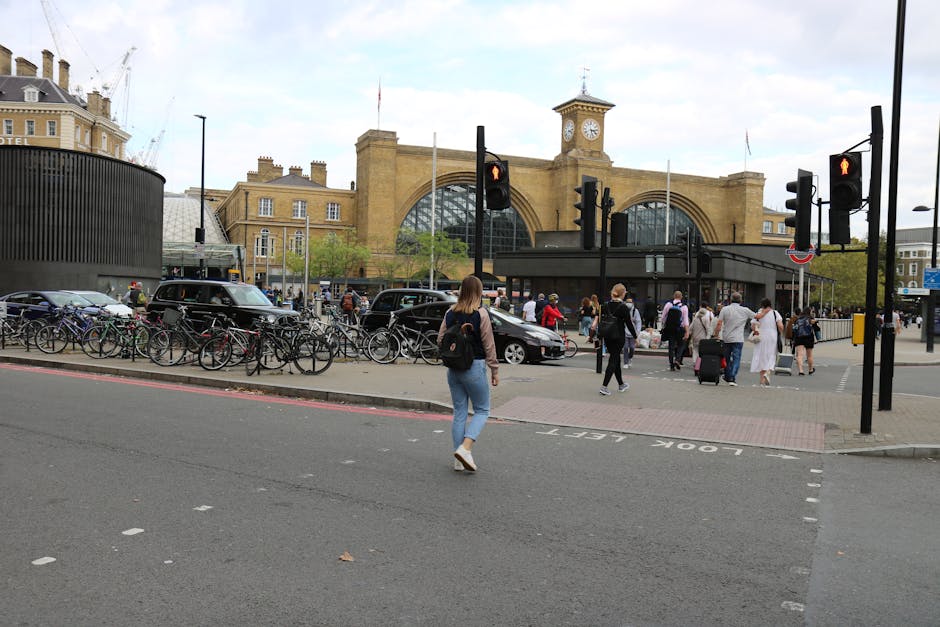
Kings Cross rubbish pickup options Central London: a practical guide for homes, flats, and businesses
If you are looking into Kings Cross rubbish pickup options Central London, you are probably dealing with one of those jobs that sounds simple until you are standing beside a pile of bags, broken furniture, or office clutter wondering what on earth to do next. Kings Cross is busy, tight on space, and rarely forgiving when waste has to be moved quickly. Miss the timing, choose the wrong service, or leave bins overflowing and the whole job gets harder. Truth be told, it is one of those tasks where a little planning saves a lot of stress.
This guide breaks down the main rubbish pickup choices, how they work in real life, who each option suits, what to check before booking, and where people often go wrong. We will keep it practical and clear, with enough detail to help you make a sensible decision rather than a rushed one.
- Why Kings Cross rubbish pickup options Central London matters
- How it works
- Key benefits and practical advantages
- Who this is for and when it makes sense
- Step-by-step guidance
- Expert tips for better results
- Common mistakes to avoid
- Tools, resources and recommendations
- Law, compliance, standards, or best practice
- Options, methods, or comparison table
- Case study or real-world example
- Practical checklist
- Conclusion
- Frequently asked questions
Why Kings Cross rubbish pickup options Central London Matters
Kings Cross sits in that awkward but familiar London zone where footfall is high, roads can be narrow, building access can be tricky, and every minute seems to count. Waste that would be inconvenient anywhere else becomes a proper headache here because there is less space to store it, less room to manoeuvre, and usually less patience from neighbours, landlords, or building managers. If rubbish is left too long, it can start to affect smell, safety, and the general feel of a property very quickly.
The right pickup option matters for another reason too: not all waste is the same. A bag of household clutter, a dismantled wardrobe, a few office chairs, and builder's rubble all need slightly different handling. In Central London, that difference is often what decides whether the job is smooth or surprisingly expensive. The cheapest-sounding option is not always the most efficient one once access, time windows, loading restrictions, or labour are considered.
For residents, landlords, shop managers, and small offices, the practical question is usually the same: how do you clear waste without turning the whole day into a logistics puzzle? That is the real reason this topic matters. The best pickup option is the one that fits the waste, the building, and the timing. Simple on paper. Less simple in a first-floor flat with no lift and a busy pavement outside.
How Kings Cross rubbish pickup options Central London Works
In practice, rubbish pickup in Kings Cross usually falls into one of a few broad methods. You might use a scheduled waste collection service, book a one-off rubbish removal team, arrange a flat clearance or office clearance, or choose a specialist service for bulky items such as furniture or white goods. The key difference is who does the lifting, how quickly the waste leaves the property, and what kind of waste is accepted.
Most people start by estimating volume. Is it a few items, a room's worth, or a larger clear-out after refurbishment, relocation, or tenancy change? That estimate matters because pickup services often price and plan around the amount of waste, access conditions, and whether two people or more are needed. A small job in a ground-floor office is one thing; a third-floor flat with awkward stairs is another entirely.
Another thing to understand is collection timing. Some services work by appointment and remove rubbish on a chosen day or time slot. Others are more flexible but may require the waste to be ready at the kerbside or in an agreed loading area. In Kings Cross, where parking and access can be tight, this part is not just a detail. It can decide whether the job is quick or mildly chaotic.
As a rule, the process tends to look like this:
- You describe the waste and the property access.
- A suitable pickup option is matched to the job.
- The team arrives, assesses the load, and confirms the plan if needed.
- The waste is removed, loaded, and taken for sorting or disposal.
- Recyclable or reusable materials are separated where possible.
That last part is worth noting. Good operators do not simply move everything into a vehicle and call it a day. Responsible handling matters, especially in Central London, where waste streams can vary a lot from one address to the next. A home move, for example, may include furniture, packaging, and general clutter. An office clear-out might include desks, paper, old monitors, and mixed office waste. Same city, very different loads.
Key Benefits and Practical Advantages
The biggest benefit of a good rubbish pickup option is convenience, but there is more to it than that. In Kings Cross, the right service can save time, reduce disruption, and prevent waste from becoming a recurring nuisance. That matters whether you are clearing out a flat after tenants move on or making space in a shop, studio, or office.
Here are the practical advantages people usually care about most:
- Speed: Waste leaves the property quickly, which is especially useful when you are on a deadline.
- Less physical strain: No dragging heavy items down stairs or through busy communal areas on your own.
- Cleaner presentation: Helpful for landlords, agents, hospitality spaces, and client-facing businesses.
- Better space management: You get usable space back sooner, rather than living around bags and boxes.
- More suitable handling: Different waste types can be separated and processed more appropriately.
There is also a quieter benefit that people sometimes underestimate: peace of mind. Once the waste is scheduled, it stops occupying mental space. If you have ever lived with a spare sofa in the hallway for two weeks, you will know exactly what I mean. It keeps quietly annoying you every time you walk past. Funny how that works.
For businesses in particular, a tidy waste pickup process helps maintain a professional environment. Clients and staff notice the small things: the cluttered entrance, the overfilled storage room, the pile of cardboard by the back door. A planned pickup clears that pressure away before it grows into a larger issue.
Who This Is For and When It Makes Sense
Kings Cross rubbish pickup options Central London are useful for a surprisingly wide group of people. Some readers need a once-off clear-out. Others need a repeating arrangement. And some just need help because the waste is awkward, too heavy, or far more than they expected.
This is particularly relevant for:
- Residents in flats or maisonettes: especially where stairs, lifts, or shared entrances make moving items difficult.
- Landlords and letting agents: after tenant turnover, end-of-tenancy clearances, or pre-let resets.
- Office managers: when furniture, boxes, files, or old equipment need to go in one go.
- Retail and hospitality businesses: where stockroom clutter, damaged fixtures, or packaging waste builds up.
- Tradespeople and refurb teams: for renovation debris, packaging, and mixed job waste.
It makes sense to book a pickup when the rubbish is too much for normal bins, too bulky to handle casually, or too awkward to move without help. It also makes sense when timing matters, such as before a property viewing, after a move, or ahead of an inspection. In a place like Kings Cross, where property turnover can be fast and space is limited, waiting often makes the job more expensive and more stressful.
A useful rule of thumb: if you are already thinking, "I should probably sort this this week," then yes, you probably should. That little nudge usually means the clutter has already started to interfere with daily life.
Step-by-Step Guidance
If you want the process to go smoothly, start with the basics and build from there. The people who have the easiest pickup experience are usually the ones who do a little homework first. Nothing dramatic. Just enough to avoid surprises.
1. Identify what needs removing
Make a quick list of the items or waste types. Separate general rubbish from bulky items, electricals, furniture, and anything potentially restricted. This helps you avoid booking the wrong service for the wrong material. A single mattress is not the same as a full flat clearance, and a pile of cardboard is not the same as mixed building waste.
2. Estimate the volume
Try to judge whether it is a small, medium, or large load. You do not need to be mathematically precise. Just be realistic. If a room is full, say so. If there is waste in more than one area, mention that too. Underestimating volume is one of the quickest ways to create a frustrating day.
3. Check access
Access is everything in Central London. Think about stairs, lifts, parking, loading space, concierge rules, and any time restrictions. A job that sounds straightforward can become much more complex if the team has to carry items through a long corridor or park several streets away.
4. Match the service to the job
Choose between general rubbish removal, furniture disposal, home clearance, office clearance, or a broader waste clearance option. If you are dealing with mixed waste, make sure the provider can handle mixed loads. If the job includes only bulky furniture, a more targeted service may be better.
5. Confirm what is and is not accepted
Some items need special handling, and some are restricted. Ask about electrical goods, paint, heavy rubble, fridges, mattresses, or anything unusual. This avoids awkward last-minute changes. Nobody enjoys that moment when the team arrives and says, "Actually, we need a different arrangement for that part."
6. Prepare the waste in advance
Where possible, gather items together so the pickup can happen efficiently. Bag loose rubbish, flatten cardboard if suitable, and make sure access routes are clear. It sounds minor, but it often saves time.
7. Confirm pricing structure
Understand whether the service is based on load size, labour, item type, access, or a mixture of these. Pricing can vary depending on complexity, so clarity before arrival is worth its weight in gold, or at least in fewer awkward phone calls.
8. Do a final walk-through
Before the team leaves, check that everything intended for removal has gone and that nothing important was picked up by mistake. That last five-minute check can prevent a very annoying afternoon.
Expert Tips for Better Results
After many jobs, one pattern is always clear: the best outcomes come from simple preparation, not overthinking. A few small decisions make the whole thing smoother.
- Take photos before you book: This helps communicate volume and item type more accurately. Even a couple of quick phone pictures can make a difference.
- Group similar waste together: Furniture with furniture, bags with bags, recyclables if appropriate. It helps with loading and sorting.
- Be honest about awkward access: Narrow stairs, no lift, basement storage, rear yard access. Mention it up front. It is better than surprises on the day.
- Separate anything you want to keep: Small items often look like rubbish at a glance. Easy mistake, annoying consequence.
- Plan around peak times where possible: Busy streets around Kings Cross can make logistics slower during certain parts of the day.
- Ask how waste is handled after collection: Responsible disposal and sorting are worth asking about, even if the answer is simple.
One small but important tip: if you are clearing a flat or office, label the items that stay versus the items that go. A strip of tape on a chair or box can save a lot of confusion. It sounds a bit basic, but basic works.
Also, if your clearance is tied to a deadline, book a little earlier than you think you need. In real life, jobs can take longer than planned because keys are late, lifts are busy, or access gets delayed. London loves a tiny complication. It really does.
Common Mistakes to Avoid
Most pickup problems are predictable. That is the frustrating part. The same avoidable mistakes show up again and again, especially in busy Central London locations.
- Booking the wrong type of service: A single-item pickup is not the same as a full clearance.
- Underestimating the amount of waste: A "few bags" can become a van-full faster than expected.
- Ignoring access issues: Parking, stairs, and loading time all matter.
- Leaving restricted items mixed in: This can delay collection or require a revised quote.
- Not checking building rules: Some blocks have specific collection windows or loading instructions.
- Assuming everything can go at once: Mixed waste often needs sorting or separate handling.
Another common slip is thinking "I'll just sort it on the day." Sometimes that works. Often it does not. If the waste is spread across several rooms, you can lose half an hour before the pickup even begins. It is better to have a rough plan and a clear route.
Let's face it, nobody wants a bin bag expedition up and down three flights of stairs while a neighbour tries to get through the hallway. Keep it tidy. Keep it obvious. Keep it moving.
Tools, Resources and Recommendations
You do not need much to organise rubbish pickup well, but a few simple tools make the process far easier. Nothing fancy. Just sensible basics.
- Phone camera: Use it to photograph waste, access points, and any bulky items.
- Basic tape or labels: Helpful for marking keep versus remove items in mixed clear-outs.
- Bin bags or boxes: Good for containing loose rubbish before pickup day.
- A simple room-by-room list: Especially useful for homes, offices, and storage areas.
- Measurement estimate: Rough dimensions help with furniture disposal and bulky items.
For related reading on a broader clear-out process, you may also find the pages on waste clearance, rubbish removal, and flat clearance useful. They can help you think through which style of service fits your situation best.
If your job is more furniture-heavy, the guides for furniture disposal and sofa removal can be particularly relevant. And for business premises, office clearance and business waste are worth a look.
If you want a fuller overview of service coverage across the area, the Central London page and the local Kings Cross area page are useful starting points. They give you a clearer sense of how local collections are organised around the neighbourhood.
Law, Compliance, Standards, or Best Practice
Waste pickup in London should be handled carefully, especially where the load includes mixed materials, electrical items, or anything that needs special disposal. You do not need to become a compliance expert, but you do need to stay alert to basic responsibilities. In practice, that means using a service that handles waste legally, disposes of it responsibly, and separates recyclable material where appropriate.
For households, the main concern is usually correct removal and avoiding fly-tipping. For businesses, there is usually more to consider, because commercial waste should be managed in a way that reflects the nature of the premises and the material involved. If you are clearing an office, shop, studio, or hospitality site, it is sensible to ask how the waste will be transported, sorted, and processed.
Best practice also includes making sure access and loading are safe. That means not blocking entrances, not overfilling communal routes, and not leaving items where they create trip hazards. In shared buildings, a few minutes of care can prevent a lot of irritation. Building managers tend to appreciate that. So do neighbours, once the dust settles.
Some items may need special attention, such as electrical goods, bulky metals, or anything with fluids or sharp edges. If you are unsure, ask before collection. It is better to pause and clarify than to shove everything together and hope for the best. Hope is not a disposal plan.
Options, Methods, or Comparison Table
Choosing the right pickup method becomes much easier when you compare the options side by side. What matters most is how much waste you have, how quickly it needs to go, and how much hands-on help you want.
| Option | Best for | Strengths | Possible drawbacks |
|---|---|---|---|
| General rubbish removal | Mixed household or light commercial waste | Flexible, fast, suitable for many common jobs | May not be ideal for very large or highly specific loads |
| Bulky item pickup | Furniture, mattresses, appliances, single large items | Good for awkward lifting and heavy items | Less suitable if the job expands into a bigger clearance |
| Flat clearance | Tenancy changes, downsizing, full room clear-outs | Useful when many items need to go together | Can require more coordination and access planning |
| Office clearance | Desks, chairs, storage, old equipment | Good for business premises and time-sensitive clearances | Needs careful sorting of mixed office material |
| Scheduled waste collection | Regular ongoing waste needs | Predictable and easy to manage over time | Not always the quickest option for urgent one-off jobs |
In a place like Kings Cross, the easiest option is not always the best one. A quick pickup is useful, but only if it matches the type of waste and the shape of the building. A more complete clearance often saves time overall when several rooms or item types are involved.
Case Study or Real-World Example
Imagine a small two-bedroom flat near Kings Cross that has just come to the end of a tenancy. The outgoing tenants have left a broken bookshelf, a tired sofa, a handful of bags, and a few boxes of mixed clutter in the spare room. Nothing dramatic on its own. But once you add narrow stairs, a shared entrance, and limited street space outside, the job becomes more involved than it first looked.
The landlord could try to piece it together over several trips. That would mean lifting, sorting, parking, and arranging disposal one bit at a time. Or they could book a single pickup that handles the furniture and the mixed waste together. In a case like this, the second option is usually cleaner and less disruptive. The flat is cleared faster, the tenant changeover moves along, and the property is ready for viewings without lingering clutter.
The same basic logic applies to a small office near Kings Cross Station. After a desk refresh, the business may need to remove old chairs, packaging, and a few worn-out storage items. If the job is scheduled properly, the team can clear the space before opening hours or during a low-traffic window. That matters because office waste has a way of spreading. One stack becomes three. Then someone adds a printer box. Then suddenly the back room looks like a storage shed. Funny how that happens.
The point is not that every pickup needs a full-scale plan. It is that a little structure saves time, money, and frustration. Most people do not need perfection. They need a straightforward route from clutter to clear space.
Practical Checklist
Use this checklist before booking your pickup. It keeps the process calm and avoids the classic "we should have checked that earlier" moment.
- Identify the main waste types
- Estimate whether the load is small, medium, or large
- Check stairs, lift access, parking, and loading conditions
- Confirm any building or concierge rules
- Separate keep items from remove items
- Bag loose waste where possible
- Note anything bulky, heavy, or awkward
- Ask about restricted or special items
- Confirm pricing and collection timing
- Clear a route from the waste to the exit
- Do a final check before the team leaves
If you can tick most of those off, you are in good shape. Nothing glamorous. Just solid preparation.
Expert summary: The best Kings Cross rubbish pickup is rarely the biggest or cheapest option. It is the one that fits the access, the waste type, and the timing with the least friction. Get those three things right and the rest tends to fall into place.
Get a free quote today and see how much you can save.
Conclusion
Finding the right Kings Cross rubbish pickup options Central London is really about matching the job to the right kind of help. Once you know whether you are dealing with a few bulky items, a flat clearance, office waste, or a broader one-off removal, the decision gets much easier. From there, the details matter: access, timing, item type, and how the waste will be handled after collection.
The best results come from being realistic rather than optimistic. Measure roughly. Mention the awkward bits. Choose the service that suits the actual load, not the ideal version in your head. That one little shift makes a huge difference, especially in a busy area like Kings Cross where time, space, and access are all at a premium.
If you are still weighing up the options, start with the simplest question: what do I need gone, and how quickly do I need it removed? Answer that honestly, and you are already halfway there. Small step, but a useful one.
Frequently Asked Questions
What are the main Kings Cross rubbish pickup options Central London residents use?
The most common options are general rubbish removal, bulky item pickup, flat clearance, office clearance, and scheduled waste collection. The best one depends on the amount of waste, the type of items, and how quickly you need them removed.
Is rubbish pickup in Kings Cross suitable for flats with stairs?
Yes, but access should be explained clearly before booking. Stairs, narrow hallways, and no-lift buildings can affect timing and pricing, so it helps to be upfront from the start.
Can I book a pickup for just one bulky item?
Usually, yes. Single-item collections are common for things like sofas, mattresses, wardrobes, or broken furniture. If the item is especially heavy or awkward, mention that in advance.
How do I know whether I need rubbish removal or a full clearance?
If you are dealing with a handful of bags or a small number of items, rubbish removal may be enough. If you are clearing several rooms, moving out, or emptying furniture and clutter together, a clearance service is usually a better fit.
What should I do before the team arrives?
Group the items, clear a path, separate anything you want to keep, and make sure access is ready. A few minutes of preparation can make the whole visit faster and simpler.
Are office waste and household waste handled the same way?
Not always. Office waste can include equipment, paper, furniture, and mixed materials that need different handling. Household rubbish is often simpler, but the collection still needs to match the waste type.
What if I have mixed waste in one load?
Mixed waste is common, especially in clear-outs. Just describe it accurately when booking. It is better to say there are furniture items, bags, cardboard, and a few odds and ends than to try and squeeze everything into one vague description.
Do I need to sort recyclables before pickup?
It is helpful where practical, but the main thing is to keep the load safe and easy to collect. Responsible operators usually sort materials further after collection as part of their disposal process.
How far in advance should I book a pickup in Kings Cross?
If the job is time-sensitive, book as early as you can. For less urgent removals, a little flexibility is fine. In busy Central London areas, earlier is usually better because access windows can be tighter than people expect.
What are the most common mistakes people make with rubbish pickup?
The big ones are underestimating the volume, forgetting about access issues, booking the wrong type of service, and leaving special items mixed in without warning. Small errors, big annoyances.
Can rubbish pickup help after a tenancy ends or before a property viewing?
Absolutely. Those are two of the most common reasons people book a pickup in Kings Cross. Clearing clutter quickly makes the property easier to present and far easier to manage.
What is the best first step if I am not sure which option I need?
Start by listing the waste and taking a quick look at access. Once you know what needs removing and how easy it is to reach, the right option usually becomes much clearer. If you are on the fence, a broader clearance service is often the safer choice.